 https://www.istockphoto.com/photos/kids-talking-in-classroom https://www.istockphoto.com/photos/kids-talking-in-classroom There is extensive research on the connection between reading and writing and how these processes strengthen each other. As an educator of educators, I want to remind some, restate for others, and teach (for) new educators that learning to read and write begins early with oral language. Early exposure to rich language experiences is critical for developing these processes. Language experiences are not shared equally, so I want to focus on what happens with students when they get to school and what can and should happen when students are in our classrooms despite what may or may not have occurred at home.
Linnea Ehri conceived the idea of reading development into phases. Learn more about it here: Ehri's Phases of Word Reading Development When children first come to school, they will come with skills ranging from what she coined as pre alphabetic (not understanding the connection between letters, letter combinations, and sounds associated with those letter and letter combinations) to later alphabetic (being able to recognize sight words and use them in their reading and writing). As a result, we, as educators, can have a wide range of student reading and writing abilities in our classrooms. So, how do we teach our students to be better readers and writers? As I mentioned, it all begins with oral language and the opportunities we, as educators, can create and cultivate in our classrooms. We must meet students where they are and extend learning from there. From birth, unless a child is hearing impaired, they hear language — the amount and type of language they hear varies — the fact remains that because oral language comprehension develops from birth (and some say from conception), it is the largest form of comprehension we have. We start our classroom instruction with conversations, read-aloud, singing, and playing rhyming games, letting our students experience language. We must let them talk! Allowing our students to talk gives them the practice of verbally sharing their intentions, ideas, and experiences. It is only then that real learning can take place. I like this quote from James Britton (1993); “Reading and writing float on a sea of talk. Talk is the foundation of literacy”. Reading and writing are reciprocal processes. They do have a mutual relationship. It is important to remind you that these processes are not naturally learned. They must be taught explicitly, systematically, and in conjunction with each other—first in isolation to introduce the skill and then, as often as possible, in the context of authentic reading and writing experiences. We model each skill and give students opportunities to practice each skill while giving them corrective and affirming feedback that is specific to the skill and personalized to the needs of each student and student group. Thank you for reading, Dr. Pearl
0 Comments
 Martin Luther King Jr. was a civil rights leader, a family man, and a promoter of peace. When we think of what a good citizen is, we can use pieces of the life of MLK as examples for our students. We devote a day every year to celebrating the man and his accomplishments. It is important to teach children not only the importance of historical figures like Martin Luther King, Jr. and national holidays, like MLK day (and social studies standards) but, we should also teach students that the “content of a historical figure’s character” counts as well (to use the words of MLK himself).
I have often seen the usual “cut and color MLK” assignments and the “write about a time you did something like MLK” pre-fillable worksheets being completed to commemorate the holiday. Those assignments are not wrong; I do feel like we can do so much more in our classrooms to honor the man, and the holiday, and produce high-quality content that will help students practice skills like analyzing character traits and building content knowledge in both reading and social studies. In previous blogs, I have discussed the power of the teachable moment that can be found in a good read-aloud. This blog will be no different. I plan to explore the art of the read aloud by integrating social studies and literacy content as we analyze, discuss, connect with, and share about the life of Martin Luther King, Jr. Integrating Reading and Social StudiesAs an elementary literacy coach, I coach teachers to use our state standards as a base for every lesson they plan. As a supplemental resource, I usually find the text or text set to read aloud or show and then target a skill or bundle of skills to use with the text (as a mentor text). In this case, I already know my topic is Martin Luther King, Jr. There are specific skills that need to be taught in each subject, so integrating subjects could be ideal for maximum impact. Integrating subjects has been cited as a powerful way to build knowledge. In fact, Dr. Timothy Shanahan mentioned research in his April 2022 blog that states: “teaching social studies and science units during a literacy block in grades K-4 effectively increased content knowledge and informational text reading skills. The effects were greater for social studies and science knowledge than reading, though there were some reading improvements.” I believe that there may need to be a heavier emphasis on the reading skills that are targeted within the scaffold of an intentionally chosen text or set of texts. There could be a focus on describing or analyzing MLK’s internal and external traits (depending on student grade level) after reading Martin’s Big Words, for example. Students can respond to the text in writing by drawing pictures or writing words to share their personal reactions or by supporting a response using text evidence after reading I Have a Dream by Dr. Martin Luther King, Jr. with paintings by Kadir Nelson. That last text is also good for studying the author’s purpose and craft as you are analyzing how Dr. King used figurative language and alliteration in his speeches. Focusing on these skills keeps the focus on the character of MLK. It impacts knowledge building because students can read, talk, and write about the topic (MLK) as well as explore historical figures and the reasons behind national holidays. It would be beneficial to create a text set with both expository and narrative texts as well as poems, videos, and songs. I will share a basic list to get you started. Book List Across Genres It is easy to find children’s literature across genres on the topic of Martin Luther King, Jr. A good Google search will do. I will add to that list my own recommendations by genre. They may not all be age or grade-level specific, so in your planning, prepare for the appropriate scaffolding. Media King: Man of Peace in a Time of War (Movie) March On! The Day My Brother Martin Changed the World https://www.timeforkids.com/g56/martin-luther-king-2/ (Article) https://poetry4kids.com/news/celebrate-martin-luther-king-day-with-poetry/ (Poem) Books Martin’s Big Words: The Life of Dr. Martin Luther King, Jr. A Place to Land: Martin Luther King, Jr. and the Speech That Inspired a Nation I Have a Dream Let the Children March Martin Luther King, Jr. was an inspirational thought leader who spoke out against hatred and for peace and equality. We celebrate his life and achievements every year and we can and should teach our students about those achievements and their impact on our society today. We can and should teach with intentionality and teachable moments so we can expose our children to both the nuances of reading comprehension and knowledge building as well as the historical significance of the man and the time period. In doing this we should remind our students and remind ourselves that MLK Day is more than a day off. Thank you for reading, 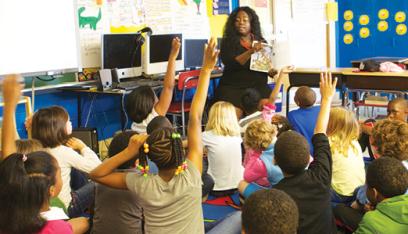 The read aloud can be a multifaceted instructional tool. It can be used to sparking the joy of reading and it can also be used to model for students what good readers do naturally when they read. In my work as a literacy coach, I have seen teachers use read alouds as ways to discuss challenging topics, as ways to give students a fun brain break, and as ways to teach ideas for comprehension skills. They have also used the read aloud to model fluent reading and to teach ideas like cause and effect and making inferences and yes, they also take the opportunity to tell student the meanings of unfamiliar words. The read aloud as an instructional tool can be a powerful way to reinforce key ideas that you have worked on during your whole group and small group instruction. I want to discuss ways to get the most out of your read aloud time with students. For your read aloud to be beneficial, students must be willing to engage and interact with you while you read it. They will not learn or experience anything if they are not paying attention to you. So, let’s start there. Let's begin by considering the types of books to choose.
Types of Books One of the first things you should consider is the types of books you choose to read to your students. The books should not only serve your purpose, but they should also be books the students would be interested in hearing you read. It is also important that students see themselves reflected positively in those books. I am reminded of a video I saw about diverse books, see it here: Mirrors, Windows, and Sliding Glass Doors. Here are some other tips to think about when choosing a good read aloud:
Keeping Them Engaged Okay, so you have chosen a book to read, and you are excited! The students are excited too, but remember they are 6, 7, or 8-ish. Understand that child development experts say that a reasonable attention span for a child is 2 to 3 minutes per their age so typically able children 6 to 8 years old may have an attention span of about 16 to 18 minutes. Read more about that in the article Normal Attention Span Expected by Age. Here are some things you can do to get and keep their attention while you read.
Using the read-aloud as an instructional tool is one way to ensure that the incidental, incremental nature of vocabulary acquisition can be more intentional and meaningful. Thank you for reading, Dr. Pearl 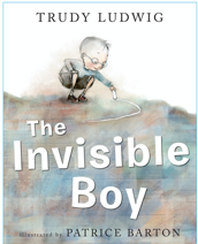 Social and emotional learning (SEL) is a way of advancing self-awareness, self-control, and interpersonal skills in the lives of our students. Research shows that in schools and districts where there was a focus on social and emotional learning, the rate of behavioral school suspensions went down, and the rate of school attendance went up. Some of the biggest challenges children face since the days of the pandemic are SEL related. Our students are dealing with more behavioral challenges, anxiety, and depression than ever before. Our children need skills like self-advocacy, active listening, the ability to problem solve, and to know how to remain (or become) resilient. These skills most certainly can and may be worked on at home, but we as educators can also help children develop these skills at school while we are teaching our core curriculum.
One of the easiest ways to teach these skills is by using books and more specifically reading those books aloud to our students. Reading books and generating discussion about how the characters in those books deal with challenging everyday topics is something our students can benefit from. Seeing characters navigate successfully through situations that can and sometimes are happening in real life is a good model for students. It will take a little bit of intentionality and planning, but it can be incorporated into your daily, weekly, or monthly routines. I want to spend some time identifying some books and book lists that I have found helpful, and I want to discuss how to effectively bring focus to the skill you are targeting. let's start with the how... As a literacy coach, I have been working with my teachers to continue to incorporate what they have learned about the science of teacher reading into their daily instructional practice. I push for explicit and systematic instructional practices. This blog will be no different. We start with a focus on the skill or skills we will target with the book we have chosen. It is important to let the children know the skill we are focusing on as we read. Having your students pay close attention to how the character exhibits the behaviors related to the skill is as important as having students pay attention to how the character changes over time. The children may begin to recognize themselves in the character. Consider making this skill practice a routine by establishing a consistent way of visiting and revisiting the skill (maybe a daily, weekly, or monthly morning meeting). It may be a good idea to choose a skill that is a high need with your group and as your routine grows add other skills to this established structured time. Next, we begin teaching the skill. We may first describe the skill or model how a student might behave while doing the skill. As a lover of vocabulary, I would also take a moment to define the skill. This part of your lesson may take up to 10 minutes but shouldn't take much more than that. The engaging read aloud will be the focal point of this lesson. If you want students to have notes or want to use a graphic organizer to help students identify key behaviors related to the skill prepare students for that in the beginning of the lesson. If time permits, make children aware of examples and non-examples of the skill and associated behaviors. It is very important to revisit the skills that have been introduced routinely. To make this easy, establish a designated time to do this (maybe the end of the day as an exit ticket or daily reflection). Remind your students of the skills they have already learned and affirm them when they are displaying the skill. for example, if you notice a student struggling through an assignment you could say something like "I saw you struggling through your math assignment. I know how frustrating that can be. I see your resilience getting stronger." The idea is to reinforce the skills learned and used daily and often. Let's talk about some books that can help use teach the skills. It is easy to find several book lists that target elementary, middle, and high school SEL topics so just know this list is not all encompassing. It is just a way to get you started: SEL Books for Elementary:
SEL Books for Middle Grades:
SEL Books for High School:
With greater social and emotional competence, increases the possibility of high school graduation, the ability for success with career, post-secondary education, better mental health, and home life are all attainable. We as educators can play a crucial role it the social and emotional development of our students. Thank you for reading, Dr. Pearl 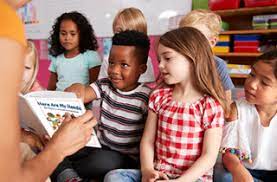 The read aloud can be a multifaceted instructional tool. It can be used to sparking the joy of reading and it can also be used to model for students what good readers do naturally when they read. In my work as a literacy coach, I have seen teachers use read alouds as ways to discuss challenging topics, as ways to give students a fun brain break, and as ways to teach ideas for comprehension skills. They have also used the read aloud to model fluent reading and to teach ideas like cause and effect and making inferences and yes, they also take the opportunity to tell student the meanings of unfamiliar words. The read aloud as an instructional tool can be a powerful way to reinforce key ideas that you have worked on during your whole group and small group instruction. I want to discuss ways to get the most out of your read aloud time with students. For your read aloud to be beneficial, students must be willing to engage and interact with you while you read it. They will not learn or experience anything if they are not paying attention to you. So, lets start there. Let's begin by considering the types of books to choose.
Types of Books One of the first things you should consider is the types of books you choose to read to your students. The books should not only serve your purpose, they should also be books the students would be interested in hearing you read. It is also important that students see themselves reflected positively in those books. I am reminded of a video I saw about diverse books, see it here: Mirrors, Windows, and Sliding Glass Doors. Here are some other tips to think about when choosing a good read aloud:
Keeping Them Engaged Okay, so you have chosen a book to read and you are excited! The students are excited too, but remember they are 6, 7, or 8-ish. Understand that child development experts say that a reasonable attention span for a child is 2 to 3 minutes per their age so typically able children 6 to 8 years old may have an attention span of about 16 to 18 minutes. Read more about that in the article Normal Attention Span Expected by Age. Here are some things you can do to get and keep their attention while you read.
Using the read-aloud as an instructional tool is one way to ensure that the incidental, incremental nature of vocabulary acquisition can be more intentional and meaningful. Thank you for reading, Dr. Pearl  When asked: How do you plan instruction for the diverse learners in your classrooms? A reading certified teacher who has taught for more than 10 years and works with students in grades kinder, first, second, and third grades said the following:
“Academic vocabulary is introduced first. Usually, through the lesson objectives for the day (repetition is important). Before the lesson, scan the reading text and underline vocabulary words I think students will struggle with. I will plan my whole group vocabulary instruction and a small group instruction for students who are still struggling with vocabulary words. In the whole group and small group, I model context clues, multiple meaning words, meaning given to the student in the text. Students are given opportunities to read independently with the new vocabulary words acquired.” About 91% of all respondents in my dissertation study said that they teach academic vocabulary. This was exciting to me because, as an experienced teacher, I did not always know how to teach vocabulary, much less academic vocabulary. I define academic vocabulary as words used in academic conversation and text. I have talked about tiers of word in. previous blog, so I can also define academic vocabulary as those tier 2 and tier 3 words that are used by experienced language users. In trainings with teachers, I refer to academic vocabulary as “the language of the standards”. I tend to get on my soap box when talking to early grade educators about academic vocabulary because some of them have expressed the idea that some words are too difficult for students to understand. We repeatedly hear and say the phrase “kid-friendly” language when referencing objective statements and teacher classroom talk. It is truly my belief that any words, ideas, or concepts can be “kid-friendly’ if we teach them. I like to call it incidentally intentional. If you expose children to those words early, those words become words that student own. We can expose children to academic vocabulary, in incidental ways by speaking to our students using academic language. I like to use the example “Okay students make a horizontal fold in your paper, remember, that is like a hot dog bun across the horizon, or long ways…” I would say that while demonstrating the position the paper should be in when making that fold. As another example when stating a lesson objective, I might say: “Today we will be working on manipulating phonemes or changing sounds in words.” I feel it is important for it to be common practice for students to hear words that are new and different as often as possible, but for them to also see how those words are used. We can expose students to academic vocabulary intentionally by letting them see us use academic vocabulary for them in writing just as often as we are saying them. We can do that by using those words in modeled and shared writing opportunities. This allows our students to not only hear new words, but to also see them. That counts as two meaningful exposures to rich new words. It is important to expose children to academic vocabulary early and often. This is a good way to generate and cultivate word consciousness. When children become word conscious, they are less likely to just skip past a word they are not familiar with. We as early grade teachers can create students who are curious about learning new words. One of the ways we can hook them is through using academic vocabulary. Thank you for reading,  Photo Credit: Young Children May 2018 Vol. 73, No. 2 Photo Credit: Young Children May 2018 Vol. 73, No. 2 I have often shared that as a second-grade teacher, I discovered that I was not teaching vocabulary in a way that students learn and in fact, even my students who were doing well academically (and have proven so on norm-referenced assessment) were not doing well in vocabulary. As a result, I began to try to figure out what I needed to do. I wanted to understand what vocabulary instruction should look like in my classroom and in classrooms that look like mine. I have been a literacy coach and Texas Reading Academy Cohort Leader for the past few years and have observed numerous abouts of classroom instruction paying attention their literacy instruction and how they teach vocabulary. I have also studied reading and literacy both at the masters and doctorate level specifically so that I can answer that question. In brief, here is what I found.
Often early grade teachers’ focus is on teaching children how to read. Teaching reading has proven to be a daunting task, especially if you as an educator are not trained effectively to do so (I will not go into detail about that part here). It is no wonder that vocabulary instruction is not considered nor taught early. Early grade teachers are spending time helping students map speech to print and match print to speech, teaching children the meaning of those words is an added task that we sometimes don’t plan for nor have time to do. It is very important that we change this narrative! Our children come to us with a varied about of words known, used, and heard so some children may come to us behind their peers and if that is not tackled early we send those children to third grade, fourth grade, and fifth grade even further behind because the text they are reading then are filled with academic and higher level words they may not know how to read and don’t know how to figure the meaning of. We run the risk of losing those students because children that read and enjoy reading, read more; and consequently, children that don’t enjoy reading, read less, and may display habits that deflect from reading at all. Okay, off my soapbox (for now), what does early grade vocabulary instruction look like? I will tell you now… I must get a little technical, but I will break it down for you. Word learning theorist say that there is a particular way that children learn to read words, I’m examining pre-reading here. It starts with what they hear. Without going too far down the rabbit hole, children hear conversations (in their native language) some debate before they are born, but certainly after they are born, they hear adults talk and engage in conversations, they see movies and television shows, and they hear stories read and told to them. Eventually they learn that the sounds they hear represent language and can then equate that to print, first environmental print like seeing a store sign and knowing that is where I get my happy meal, but not necessarily that that golden arch is an “m”. Early grade teachers help children match letters and letter combinations with the sounds that they make to read and spell words. Vocabulary instruction can start then! Oral language is still a very important tool to help children learn. Since children are still learning to master the alphabetic principle (the understanding that words are made up of letters and letter combinations that represent sounds), teachers can and should read aloud books with rich vocabulary that children may not have already been exposed to. Teachers should also be using academic language interchanging the academic term for a synonym children may be more familiar with. In fact, during these early phases children should be exposed to a breath of vocabulary words to fill their mental backpack with. As they are learning to read words, they should also be exposed to lots of words. Children certainly do need to learn word learning strategies, like how to use context and illustrations to understand the meaning of words they do not know. Teachers should model how this is done, when they are reading and rereading aloud those books to children. As children matriculate through school and encounter “increasingly challenging text” teachers can begin to introduce word study and morphology (the study of units of sound that have meaning) and expose them to deeper meanings of the words they are learning, introducing them to how interconnected words and word families. What does this all mean? In sum, vocabulary instruction in the early grade classroom looks like exposing children to lots of words, by reading to them, talking to them, and letting them talk to each other about what they are learning-in authentic ways, when possible. Teachers are not only exposing children to rich new words, but they are also modeling how to figure out the meaning of unfamiliar words and letting children practice that on their own. Think breath of word learning early and depth of work knowledge and they begin to learn more words and sprinkling in word learning strategies as the children are exposed to “increasingly challenging text”. This will ensure children are being set up for success as they begin to practice these skills independently. Thank you for reading, Dr. Pearl  Young children learn words and language from interactions with parents, family, other children, and other adults. Classic research from studies like those done by Hart and Risley have shown that those interactions can vary depending on things like economic statues and basically put, the number of words a child hears and speaks. It is because of this that the number of words a child knows before coming to school is vast and varied. We as educators can combat this by being intentional when teaching children new words and their meanings.
From my review of literature, I have learned that children do not learn as many words from reading in the early grades because much of what they are reading comes from leveled or decodable text that are designed to help them practice spelling patterns and comprehension strategies to build accuracy with those specific spelling patterns and comprehension strategies. Those decodable text are mostly made up of words that students already know. From my observations of several classroom, I notice that early grade educators spend a good majority of their instructional time helping student learn to decode and recognize words, and rightfully so because this is a big part of children being able to independently read and comprehend text. It is important to mention that Gough and Tunmer's Simple View of Reading (1986) notes that skilled reading is both language comprehension and word recognition. This serves as a reminder that both sides of the equations are important to help students achieve skilled reading. The question is, what can we as educators do to intentionally expose the children we teach to rich tier 2 vocabulary? Research shows that word meanings are learned both incidentally through exposure and intentionally through word teaching. It makes sense that early grade teachers would do both. Further, since this is true, it is also true that intentionally creating incidental opportunities for children to learn words also makes sense. Below 👇🏾 I have a list of resources to help teachers teach vocabulary with incidental and intentional exposure in their classrooms. Incidental Exposures (Read Alouds)
Thank you for reading, Dr. Pearl |
AuthorPearl Garden, Ed.D has completed her dissertation research involving understanding the vocabulary instruction practices of early grade teachers. She has a passion for the new and novice educator, and it is her goal to help educators tackle the achievement gap with her research findings. She will use this blog to share what she has learned in “pearls of literacy”. The ideas come from her dissertation titled “A Content Analysis of the Vocabulary Instruction Habits by Early Grade Teachers”. Archives
May 2024
Categories |

 RSS Feed